

Concrete is one of the most important materials used in modern construction. From residential houses and commercial buildings to roads, bridges, and large infrastructure projects, concrete provides strength and durability to structures. With improvements in construction technology, ready-mix concrete has become a popular choice for builders and contractors.
Build RMC is a search term related to building with Ready-Mix Concrete (RMC), its production, applications, benefits, and use in construction projects. RMC helps make construction work more organized by providing freshly prepared concrete directly to the construction site.
In this guide, we will explain what RMC is, how it is made, its main ingredients, benefits, applications, and important things to consider before using it.
What Is RMC in Construction?
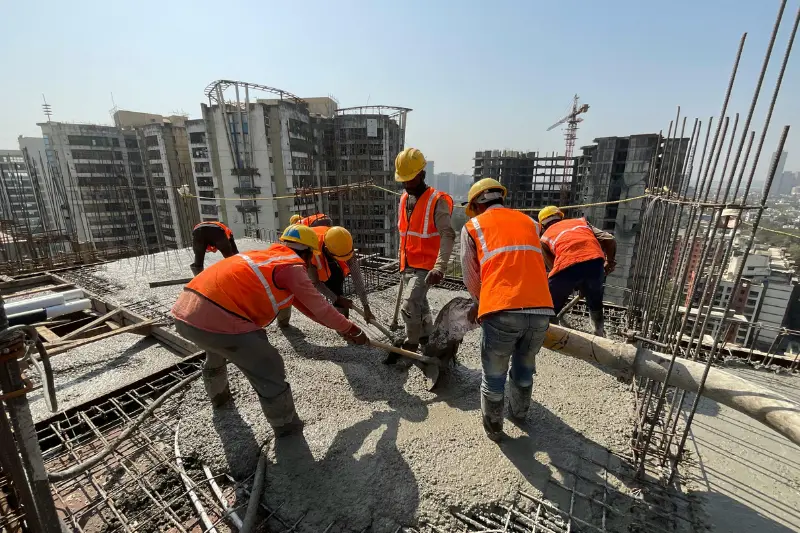
RMC stands for Ready-Mix Concrete. It is a type of concrete prepared at a specialized batching plant according to the requirements of a construction project.
Unlike traditional concrete, which is mixed manually at the construction site, RMC is produced under controlled conditions and transported to the site in special mixer trucks.
It generally contains cement, sand, water, coarse aggregates, and sometimes chemical or mineral admixtures.
The main purpose of RMC is to provide properly proportioned concrete that is ready to use when it reaches the construction site.
How Does Build RMC Work?
Building with RMC involves several steps, starting from material selection and ending with concrete placement and curing.
Here is a simple explanation of the process.
1. Selecting Construction Materials
The first step is selecting suitable raw materials for concrete production.
These materials include:
- Cement for binding the ingredients.
- Sand for filling spaces between larger particles.
- Gravel or crushed stone for strength and structure.
- Water for the hydration process.
- Admixtures for improving specific concrete properties.
The quality of these materials plays an important role in the final performance of concrete.
2. Preparing the Concrete Mix
After selecting the materials, they are measured according to an approved mix design.
Modern batching plants use weighing systems and automated controls to maintain accurate proportions.
The mix design depends on the required strength, workability, durability, and conditions of the construction project.
3. Mixing the Materials
The measured ingredients are combined using suitable mixing equipment.
The goal is to produce a uniform concrete mixture with the required consistency.
Depending on the production method, mixing may take place at the central plant or inside a transit mixer truck.
4. Transporting Concrete to the Site
Once prepared, fresh concrete is transported to the construction site in rotating mixer trucks.
The rotating drum helps keep the concrete mixed during transportation.
Proper delivery planning is important because fresh concrete has a limited working time.
5. Placing and Finishing Concrete
When the concrete arrives, workers place it into the required area, such as foundations, columns, beams, floors, or slabs.
Depending on the project, concrete pumps and other equipment may be used.
Workers then level and finish the surface according to construction requirements.
6. Curing the Concrete
Curing is an important step in concrete construction.
It involves maintaining suitable moisture and temperature conditions so that cement hydration can continue.
Proper curing helps concrete develop strength and durability over time.
Main Ingredients Used in RMC
Ready-mix concrete contains several materials that work together to create a strong and durable construction product.
Cement
Cement acts as the binding material in concrete. When mixed with water, it forms a paste that binds sand and aggregates together.
Sand
Sand is known as fine aggregate. It fills spaces between larger particles and helps create a more uniform concrete mixture.
Coarse Aggregates
Coarse aggregates generally include gravel and crushed stones. They form a major part of concrete and contribute to its strength and structure.
Water
Water is necessary for cement hydration and helps make concrete workable.
However, the amount of water must be carefully controlled because excessive water can reduce concrete strength.
Admixtures
Admixtures are added to concrete to improve certain properties.
Depending on the requirements, they can improve workability, control setting time, or support durability.
Benefits of Using RMC in Building Construction
RMC offers several advantages over traditional site mixing. These benefits make it useful for both small and large construction projects.
1. Better Quality Control
RMC is prepared in a controlled batching plant where materials are measured according to a specific mix design.
This helps maintain more consistent concrete quality from one batch to another.
2. Saves Construction Time
Preparing concrete manually requires workers to measure and mix different materials.
With RMC, the concrete is prepared before delivery, which can reduce on-site mixing time and help construction teams work more efficiently.
3. Reduces Material Waste
Traditional concrete mixing may result in unused cement, sand, and aggregates.
RMC is produced according to the estimated project requirements, helping reduce unnecessary material handling and waste.
4. Requires Less Storage Space
Builders do not need to store large quantities of raw materials at the construction site for every concrete activity.
This is especially helpful when working in crowded urban areas or on sites with limited space.
5. Reduces Manual Labour
RMC reduces the need for workers to perform repeated measuring and mixing activities.
This allows construction teams to focus more on placing, finishing, and other important tasks.
6. Supports Large Construction Projects
RMC is suitable for projects that require large quantities of concrete within planned delivery schedules.
It is commonly used in commercial buildings, residential developments, roads, and infrastructure construction.
You may also like it:
PC Build Guide: Parts, Tools, and Step-by-Step Setup
Gaming PC Build: Complete Guide for Beginners
Budget PC Build: Best Affordable Parts and Guide
Common Applications of Ready-Mix Concrete
RMC is used in different types of construction projects because it can be prepared according to specific engineering requirements.
Residential Buildings
RMC is commonly used for house foundations, columns, beams, roof slabs, and other structural components.
Commercial Buildings
Shopping centres, offices, hotels, and industrial buildings often require large quantities of concrete. RMC can help manage these requirements.
Roads and Highways
Concrete roads and other transportation infrastructure may use specially designed RMC mixes.
Bridges and Flyovers
Bridges and flyovers require concrete that meets specific structural and durability requirements.
RMC can be prepared according to the engineering specifications of these projects.
Industrial Construction
Factories, warehouses, and production facilities use concrete for foundations, floors, structural elements, and other applications.
Types of RMC Used in Construction
Different types of ready-mix concrete are available to meet different construction requirements.
1. Transit Mixed Concrete
In transit mixed concrete, ingredients are loaded into a truck mixer, where mixing takes place during transportation or according to the production process.
The rotating drum helps maintain the concrete mixture.
2. Central Mixed Concrete
Central mixed concrete is fully mixed at a batching plant before being transferred to a delivery truck.
This method allows mixing to take place under controlled plant conditions.
3. Shrink Mixed Concrete
Shrink mixed concrete is partially mixed at the batching plant and then mixed further inside the transit mixer during transportation.
The method combines plant and truck mixing.
RMC Grades and Their Importance
Concrete grades indicate the specified compressive strength of concrete, usually measured in megapascals (MPa).
Some commonly discussed grades include:
- M10: Used for certain non-structural applications and basic concrete work.
- M15: Used for selected general construction applications.
- M20: Commonly specified for certain residential and structural applications, depending on engineering design.
- M25: Used in various reinforced concrete applications.
- M30: Used in projects requiring higher specified concrete strength.
- M40 and above: Used in applications requiring higher-strength concrete.
The correct grade depends on structural calculations, building design, exposure conditions, and local construction standards. Always follow the recommendations of a qualified structural engineer.
Important Things to Consider Before Ordering RMC
Choosing the right RMC supplier is important for construction quality and project management.
Consider the following points before placing an order:
Check the Supplier’s Reputation
Choose a supplier with a good reputation, suitable production facilities, and experience in concrete delivery.
Understand the Mix Design
Ask for details about the concrete grade, mix design, and required performance specifications.
Check Delivery Time
Concrete should arrive according to the planned construction schedule. Delays may create difficulties during concrete placement.
Review Quality Testing
Ask about material testing, batch records, and quality control procedures.
Depending on the project, tests such as slump testing and compressive strength testing may be required.
Estimate the Required Quantity
Calculate the concrete volume needed for the construction work.
Ordering the correct quantity helps reduce material shortages and unnecessary waste.
RMC vs. Traditional Concrete Mixing
Both methods are used in construction, but they have different advantages and limitations.
| Feature | RMC | Traditional Mixing |
| Preparation | Batching plant | Construction site |
| Mixing | Controlled equipment | Manual or mechanical |
| Quality control | Easier to standardize | Depends on site practices |
| Storage space | Generally less required | More raw material storage |
| Labour | Less mixing labour | More mixing labour |
| Delivery | Mixer trucks | Prepared on-site |
RMC is often a suitable option for projects requiring consistent concrete quality and planned delivery. Traditional mixing may still be practical for certain small construction activities.
Challenges of Using RMC
Although RMC offers many benefits, builders should also understand its limitations.
Transportation Challenges
Traffic, long distances, and poor road conditions can delay concrete delivery.
Limited Working Time
Fresh concrete cannot remain workable indefinitely. Construction teams must arrange transportation, unloading, and placement properly.
Dependence on Suppliers
Construction work may be affected if the batching plant experiences equipment problems or delivery delays.
Higher Initial Cost in Some Projects
RMC may cost more than traditional site mixing for certain small projects, depending on transportation, quantity, and local prices.
Need for Proper Planning
Builders must coordinate labour, equipment, concrete delivery, and placement before ordering RMC.
Frequently Asked Questions (FAQs)
1. What does RMC stand for in construction?
RMC stands for Ready-Mix Concrete. It is concrete prepared at a batching plant and delivered fresh to construction sites for immediate use.
2. Is RMC good for house construction?
Yes, RMC can be used for residential construction, including foundations, columns, beams, and slabs. The mix grade should be selected according to the structural design.
3. What materials are used to make RMC?
The main materials include cement, sand, coarse aggregates, and water. Admixtures and supplementary cementitious materials may also be used.
4. What is the difference between RMC and normal concrete?
The main difference is where and how the concrete is prepared. RMC is generally produced at a controlled batching plant, while traditional concrete is mixed directly at the construction site.
5. Does RMC need curing?
Yes. RMC requires proper curing after placement. Curing supports cement hydration and helps concrete develop the required strength and durability.
Conclusion
Build RMC is an important topic for understanding how ready-mix concrete supports modern construction. RMC provides a practical way to prepare and deliver concrete according to the specific requirements of a building or infrastructure project.
Its major benefits include better quality control, reduced on-site mixing, less material handling, and improved construction planning. However, proper mix design, timely delivery, correct placement, and curing are essential for achieving good results.
Whether you are constructing a house, commercial building, road, or industrial facility, understanding RMC can help you make better construction decisions and improve the overall building process.